
Driving across America represents freedom, yet the price tag attached to your vehicle often feels like a moving target. As we look toward 2026, many drivers worry about how inflation and new technologies might impact their monthly budgets.
In fact, many drivers underestimate the cost of owning a car in the USA, which can lead to unexpected financial stress over time. Understanding these costs is not guesswork—it’s the key to making smart financial decisions and avoiding unnecessary expenses.
This guide breaks everything down in a simple and practical way. Whether you’re buying a new car or keeping your current one, knowing the real expenses—insurance, fuel, maintenance, and depreciation—helps you stay in control of your budget.
By using real-world data and proven strategies, you can avoid common financial mistakes and reduce your overall car expenses. Let’s explore what truly affects the cost of owning a car in the USA and how to manage it wisely.
We created this guide to simplify your financial planning. By breaking down various vehicle ownership expenses, we aim to give you confidence to manage mobility without hidden surprises. Whether you are buying new or keeping older models, knowing the cost of owning a car in usa helps you stay in control.
Our breakdown focuses on real-world data to protect your wallet from common mistakes. Let’s explore the essential factors that define your automotive spending within the coming years. We provide simple, practical, and proven strategies to help you navigate these financial waters successfully.
Key Takeaways
- Detailed projections regarding vehicle depreciation rates for upcoming years.
- Analysis regarding rising insurance premiums throughout different states.
- Essential maintenance and repair budget recommendations for longevity.
- Comparison between traditional fuel expenditures and electric charging needs.
- Guidance regarding taxes, registration fees, and potential hidden charges.
- Actionable strategies for reducing total transport expenditures effectively.
Understanding the True Cost of Owning a Car in the USA
Understanding the cost of owning a car in the USA is essential before making any purchase decision. The total cost goes far beyond the initial price, including insurance, fuel, maintenance, and depreciation, which all impact your real budget.
The true cost of car ownership includes several key components: depreciation, financing costs, insurance premiums, fuel expenses, maintenance and repair costs, and taxes and registration fees. Each of these elements plays a significant role in determining the total cost of owning a vehicle.
Breaking Down the Costs
To better understand the financial implications of car ownership, it’s essential to examine each cost component individually.
- Depreciation: The decrease in a vehicle’s value over time, significantly impacting the overall cost.
- Financing: Interest rates and loan terms can substantially affect monthly payments and total expenditure.
- Insurance: Premiums vary based on factors like vehicle type, driver’s history, and location.
- Fuel: Gasoline prices and the vehicle’s fuel efficiency influence fuel costs.
- Maintenance and Repairs: Regular servicing and unexpected repairs contribute to the overall expense.
- Taxes and Registration: State-specific fees and taxes add to the annual cost of ownership.
| Cost Component | Average Annual Cost | 5-Year Total |
|---|---|---|
| Depreciation | $3,000 – $5,000 | $15,000 – $25,000 |
| Financing | $1,000 – $2,000 | $5,000 – $10,000 |
| Insurance | $1,500 – $3,000 | $7,500 – $15,000 |
| Fuel | $1,000 – $2,000 | $5,000 – $10,000 |
| Maintenance and Repairs | $500 – $1,000 | $2,500 – $5,000 |
| Taxes and Registration | $200 – $500 | $1,000 – $2,500 |
| Total | $7,200 – $13,500 | $36,000 – $67,500 |
Understanding these costs can help prospective car owners make more informed decisions and potentially save thousands of dollars over the life of their vehicle.
Depreciation: The Hidden Financial Drain
One of the most significant expenses associated with car ownership is depreciation, a factor that can drastically affect the overall cost of owning a vehicle. Depreciation refers to the decrease in a vehicle’s value over time due to wear and tear, age, and market conditions.
For many car owners, depreciation represents the largest portion of their vehicle’s total ownership costs. It’s essential to understand how depreciation works and how it varies across different vehicle segments to make informed decisions when purchasing a car.
How New Vehicles Lose Value in the First Three Years
New vehicles typically experience the most significant depreciation in the first three years of ownership. According to industry data, a new car can lose up to 50% of its initial value within this period. This rapid depreciation is due to the initial purchase price, which includes significant markups for dealerships and manufacturers.
The rate at which a vehicle depreciates can be influenced by several factors, including:
- The vehicle’s make and model
- Initial purchase price
- Fuel efficiency and overall performance
- Market demand and competition
For example, a study by Car Ownership Guide found that certain models retain their value better than others due to their reliability and popularity.
Comparing Depreciation Rates Across Vehicle Segments
Different vehicle segments depreciate at varying rates. For instance:
- Luxury vehicles tend to depreciate more rapidly due to their high initial prices and the introduction of new models.
- Electric vehicles (EVs) are depreciating at a slower rate as their popularity grows and technology improves.
- SUVs and trucks generally hold their value better than sedans due to their higher demand.
Understanding these trends can help car buyers make more informed decisions about their purchases and potentially save money in the long run.
By considering depreciation rates and other factors, car owners can better navigate the complex landscape of vehicle ownership costs and make choices that align with their financial goals.
Financing and Interest Rates in 2026
As we navigate the complex world of auto financing in 2026, understanding the intricacies of interest rates and their impact on car ownership becomes crucial. The financial landscape is constantly evolving, and staying informed about the latest trends in auto financing can help you make more savvy purchasing decisions.
When financing a car, two critical factors come into play: your credit score and the loan term. Both elements significantly influence your monthly payments and the total cost of the vehicle.
Impact of Credit Scores on Monthly Loan Payments
Your credit score is a key determinant in the interest rate you’ll qualify for when financing a car. A higher credit score can lead to a lower interest rate, reducing your monthly loan payments. For instance, a credit score of 750 or above might qualify you for an interest rate of around 4%, whereas a score below 650 could result in a rate of 8% or higher.
To illustrate this, consider a $30,000 car loan for 60 months. With a 4% interest rate, your monthly payment would be approximately $552. However, if the interest rate jumps to 8%, your monthly payment increases to about $608, adding $56 to your monthly expense.
The Long-Term Cost of Extended Loan Terms
While extending your loan term might lower your monthly payments, it’s essential to consider the long-term cost. Longer loan terms often come with higher interest rates, meaning you could end up paying more for the car over the life of the loan.
For example, extending the loan term from 60 months to 72 months might reduce your monthly payment from $552 to $483 (at a 4% interest rate). However, you’ll be paying more in interest over the life of the loan, potentially adding hundreds or even thousands of dollars to the total cost.
To make an informed decision, it’s crucial to weigh the benefits of lower monthly payments against the potential long-term costs. Understanding the implications of your credit score and loan term can help you navigate the auto financing process more effectively in 2026.
Insurance Premiums and Coverage Requirements
Navigating the complex landscape of auto insurance is essential for making informed decisions. Insurance premiums and coverage requirements are significant components of the total cost of owning a car in the USA. Understanding these elements can help you manage your expenses more effectively.
Factors Influencing Auto Insurance Rates
Navigating the complex landscape of auto insurance is essential for making informed decisions. Insurance premiums and coverage requirements are major components of the total cost of owning a car in the USA, and understanding them can help you control your expenses more effectively.
Several factors influence auto insurance rates, making it crucial to understand what drives these costs.
To lower your insurance costs, check our guide on cheapest car insurance in the USA to find better deals.
Driving history is one of the most important factors; a clean driving record can significantly reduce your premiums, while accidents or traffic violations can increase them. Location also plays a major role, as areas with higher crime rates or heavy traffic tend to have more expensive insurance policies.
Other key factors include your age, vehicle type, credit score (in some states), and the level of coverage you choose. Understanding how these elements affect your premium can help you make smarter decisions and reduce your overall car insurance costs.
Other key factors include your age, vehicle type, credit score (in some states), and the level of coverage you choose. Understanding how these elements affect your premium can help you make smarter decisions and reduce your overall car insurance costs.everal factors influence auto insurance rates, making it crucial to understand what drives these costs. Driving history is a significant factor; a clean driving record can lower your premiums, while accidents or tickets can increase them. Location also plays a critical role, as areas with higher crime rates or more accidents tend to have higher insurance costs.
Other factors include:
- Age and Experience: Younger drivers typically face higher premiums due to their lack of driving experience.
- Vehicle Type: The make, model, and year of your vehicle can impact insurance rates, with luxury or high-performance vehicles usually costing more to insure.
- Coverage Levels: The amount and type of coverage you choose directly affect your premiums.
- Credit Score: In many states, insurers use credit scores to determine premiums, with better credit scores often leading to lower rates.
As
« The average American spends around $1,400 annually on auto insurance »
, according to recent studies. This significant expense underscores the importance of understanding and managing insurance costs.
Strategies for Reducing Annual Insurance Expenditures
Reducing your auto insurance expenditures requires a combination of strategies. Shopping around is one of the most effective methods; comparing quotes from multiple insurers can help you find the best rates. Adjusting your coverage levels and deductibles can also impact your premiums.
Other strategies include:
- Improving Your Credit Score: Maintaining a good credit score can help lower your insurance premiums.
- Installing Safety Devices: Adding features like anti-theft systems or lane departure warning systems can reduce your risk profile.
- Defensive Driving Courses: Completing a defensive driving course can sometimes qualify you for discounts.
- Bundle Policies: Insuring multiple vehicles or combining auto with home insurance can lead to discounts.
By understanding the factors that influence auto insurance rates and implementing strategies to reduce your premiums, you can significantly lower your annual insurance expenditures. This not only helps in budgeting but also ensures you have the necessary coverage when you need it.
Fuel Costs and Energy Consumption Trends
With fluctuating gasoline prices and evolving energy consumption trends, understanding the fuel costs associated with car ownership is more crucial than ever. As we look ahead to 2026, it’s essential to examine the factors influencing fuel expenses and how different vehicle types can impact your wallet.
Gasoline Price Projections for 2026
Gasoline prices in 2026 are expected to be influenced by a variety of factors, including global demand, geopolitical events, and refining capacity. According to industry forecasts, gasoline prices may experience moderate fluctuations, potentially ranging between $3.50 and $4.50 per gallon, depending on the region and time of year. For the latest updates on gasoline prices, you can visit our guide on buying a new car in.
A key factor to watch is the impact of global events on oil production and distribution. Any significant disruptions can lead to price spikes, affecting your fuel costs.
Comparing Fuel Efficiency Between Internal Combustion and Hybrid Engines
When it comes to fuel efficiency, the choice between internal combustion engines (ICE) and hybrid engines can significantly impact your fuel costs. Hybrid vehicles, which combine ICE with electric motors, generally offer better fuel economy, especially in city driving conditions.
« Hybrid vehicles can achieve up to 30% better fuel economy compared to their ICE counterparts, making them an attractive option for those looking to reduce their fuel expenses. »
To give you a clearer picture, here’s a comparison:
- Internal Combustion Engines: Typically achieve 25-30 miles per gallon (mpg) in city driving.
- Hybrid Engines: Can achieve 40-50 mpg or more in city driving, depending on the model and technology.
By choosing a hybrid vehicle, you can potentially save hundreds of dollars annually on fuel costs, depending on your driving habits and the specific vehicle model.
Maintenance and Repair Expenses
Beyond fuel and insurance, maintenance and repair expenses are a critical component of the overall cost of vehicle ownership. Understanding these costs can help you budget more effectively and avoid unexpected financial burdens.
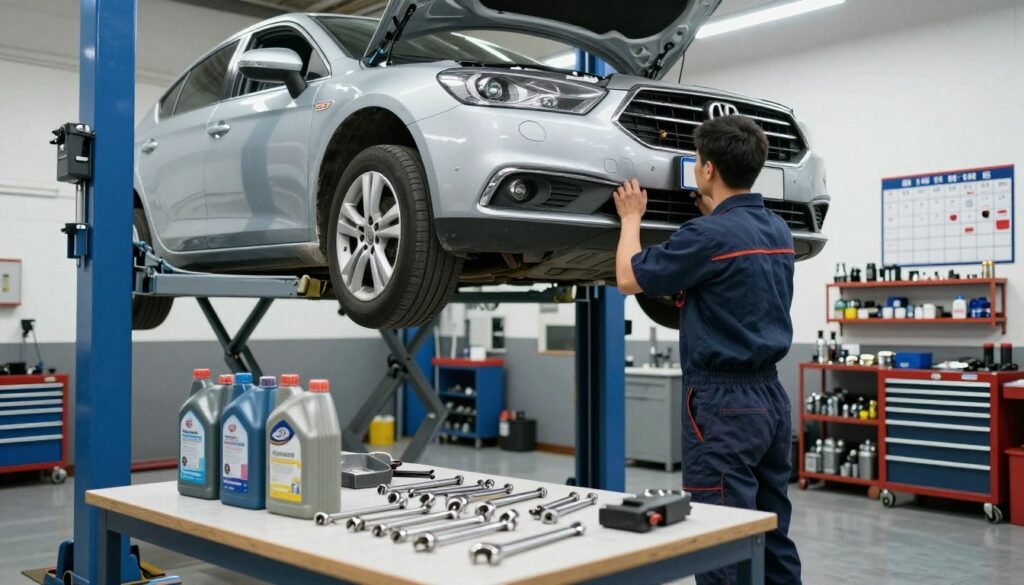
Regular maintenance is crucial for extending the life of your vehicle and preventing costly repairs down the line. This includes routine services such as oil changes, tire rotations, and brake pad replacements.
Routine Service Schedules for Modern Vehicles
Modern vehicles have complex systems that require regular maintenance to function optimally. Adhering to a routine service schedule can help prevent breakdowns and reduce the need for costly repairs.
- Oil changes: Every 5,000 to 7,500 miles
- Tire rotations: Every 6,000 to 8,000 miles
- Brake pad replacements: Every 30,000 to 50,000 miles
By following the manufacturer’s recommended maintenance schedule, you can ensure your vehicle runs smoothly and efficiently.
Budgeting for Unforeseen Mechanical Failures
Despite regular maintenance, unexpected mechanical failures can still occur. It’s essential to budget for these unforeseen expenses to avoid financial strain.
Experts recommend setting aside 1% to 3% of your vehicle’s purchase price annually for maintenance and repairs. For a $30,000 vehicle, this translates to $300 to $900 per year.
| Vehicle Purchase Price | Annual Maintenance Budget (1%) | Annual Maintenance Budget (3%) |
|---|---|---|
| $20,000 | $200 | $600 |
| $30,000 | $300 | $900 |
| $40,000 | $400 | $1,200 |
As noted by a leading automotive expert,
« Regular maintenance is key to preventing costly repairs. By staying on top of routine services, you can significantly reduce the likelihood of mechanical failures. »
By understanding and budgeting for maintenance and repair expenses, you can enjoy a more stress-free car ownership experience.
Taxes, Registration, and Licensing Fees
The true cost of car ownership in the United States isn’t just about the purchase price or monthly loan payments; taxes, registration, and licensing fees play a significant role. These costs can vary significantly depending on where you live, making it essential to understand the specific requirements and expenses associated with your state.
State-by-State Variations in Vehicle Taxation
Vehicle taxation is not uniform across the United States; it varies significantly from state to state. Some states impose a sales tax on vehicle purchases, while others have a registration fee that can be quite high. For instance, states like California and New York are known for having higher registration fees compared to other states.
Key Factors Influencing Vehicle Taxation:
- State sales tax rates
- Registration fees
- Property tax rates (for some states)
- Additional local fees
| State | Sales Tax Rate | Registration Fee |
|---|---|---|
| California | 7.25% | $46 – $177 |
| New York | 4% | $30 – $140 |
| Texas | 6.25% | $50.75 – $58.75 |
Annual Registration Renewal Costs
Annual registration renewal is a necessary cost for all vehicle owners. The fees associated with registration renewal can vary based on several factors, including the type of vehicle, its weight, and its age. Understanding these costs is crucial for budgeting purposes.
Factors Affecting Registration Renewal Costs:
- Vehicle type (passenger car, truck, motorcycle)
- Vehicle weight
- Vehicle age
- Emissions standards compliance
By understanding the taxes, registration, and licensing fees associated with car ownership, you can better plan your budget and make more informed decisions about your vehicle.
The Economic Reality of Electric Vehicle Ownership
As the world shifts towards sustainable transportation, understanding the economic reality of electric vehicle (EV) ownership becomes increasingly important. Electric vehicles are becoming a viable alternative to traditional gasoline-powered cars, but their overall cost involves more than just the purchase price.
Several factors contribute to the total cost of EV ownership, including the costs associated with charging infrastructure and home installation, as well as potential long-term savings on maintenance and battery replacement.
Charging Infrastructure and Home Installation Costs
One of the initial costs associated with EV ownership is the installation of a home charging station. The cost can vary widely depending on the type of charger and the complexity of the installation.
- Level 1 (120V): Using a standard household outlet, these chargers are the most affordable but also the slowest.
- Level 2 (240V): These chargers require a dedicated 240-volt charging station and are faster than Level 1. Installation costs can range from $500 to $2,000.
- DC Fast Charging: While convenient for public charging, installing a DC Fast Charger at home is typically not cost-effective due to high installation costs.

| Charger Type | Installation Cost | Charging Speed |
|---|---|---|
| Level 1 (120V) | $0 – $300 | Slow |
| Level 2 (240V) | $500 – $2,000 | Moderate to Fast |
| DC Fast Charging | $1,000 – $5,000+ | Very Fast |
Battery Replacement and Long-Term Maintenance Savings
While the initial purchase price of an EV can be higher than that of a gasoline-powered vehicle, EVs often offer long-term savings on maintenance and fuel. However, the cost of battery replacement remains a significant consideration.
Most EV manufacturers provide warranties for their batteries, typically covering 8 to 10 years or more. The cost of battery replacement has been decreasing over time, with some estimates suggesting it could be as low as $100 per kWh by 2026.
To put this into perspective, a typical EV battery pack ranges from 60 to 100 kWh. Thus, the total replacement cost could range from $6,000 to $10,000. However, many drivers find that the savings on fuel and maintenance offset these costs over time.
Maintenance savings come from fewer moving parts in EVs compared to traditional vehicles, resulting in less wear and tear. Additionally, EVs do not require oil changes, further reducing maintenance costs.
Comparing Ownership Costs by Vehicle Category
The cost of owning a vehicle extends far beyond the initial purchase price, varying significantly across different vehicle categories. Understanding these differences is crucial for making an informed decision that aligns with your budget and lifestyle.
When evaluating the total cost of ownership, several factors come into play, including depreciation, fuel costs, insurance, maintenance, and repairs. Each vehicle category has its unique set of costs associated with it.
Sedans Versus SUVs and Crossovers
Sedans, SUVs, and crossovers represent some of the most popular vehicle categories on the market. While they may seem similar in terms of functionality, their ownership costs can differ substantially.
- Sedans: Generally, sedans are more fuel-efficient and have lower purchase prices compared to SUVs and crossovers. However, their depreciation rates can be higher.
- SUVs and Crossovers: These vehicles often come with higher purchase prices and potentially higher fuel costs due to their size and weight. Nonetheless, they offer more space and versatility, which can be valuable for many owners.
A comparison of these categories reveals that sedans might be more economical for individuals with smaller families or those who prioritize fuel efficiency. On the other hand, SUVs and crossovers might be more suitable for larger families or those needing more cargo space.
The Premium Cost of Luxury Vehicle Maintenance
Luxury vehicles, while offering premium features and performance, come with their own set of higher ownership costs. Maintenance and repair costs for luxury vehicles are typically higher due to the sophisticated technology and high-quality materials used.
Some key factors contributing to the higher maintenance costs of luxury vehicles include:
- Advanced Technology: Luxury vehicles often feature advanced infotainment systems, driver assistance technologies, and complex engine management systems, which can be costly to repair.
- High-Quality Materials: The use of premium materials for interiors and exteriors can drive up the cost of repairs and replacements.
- Specialized Labor: Luxury vehicles may require specialized technicians for maintenance and repairs, increasing labor costs.
For example, a luxury sedan might have an annual maintenance cost that is significantly higher than that of a non-luxury sedan. It’s essential for potential owners to factor these costs into their budget to avoid unexpected expenses down the road.
In conclusion, when comparing ownership costs across different vehicle categories, it’s clear that each category has its unique financial implications. By understanding these differences, consumers can make more informed decisions that suit their financial situation and preferences.
Strategies for Minimizing Your Total Cost of Ownership
Minimizing the total cost of car ownership requires a combination of smart purchasing decisions and responsible driving habits. By adopting the right strategies, car owners can significantly reduce their expenses over the vehicle’s lifespan.
Buying Used Versus New
One of the most effective ways to minimize ownership costs is by considering the purchase of a used vehicle instead of a new one. New cars depreciate rapidly in the first few years, with some losing up to 50% of their value within three years.
- Lower Purchase Price: Used cars are generally cheaper to buy, reducing the initial financial outlay.
- Lower Depreciation: The initial depreciation hit has already been absorbed by the previous owner, so the value of the car remains more stable.
- Lower Insurance Costs: Insurance premiums for used cars are often lower compared to new vehicles.
However, it’s crucial to inspect used vehicles thoroughly and consider certified pre-owned options to ensure reliability.
Optimizing Driving Habits to Extend Vehicle Lifespan
Driving habits play a significant role in determining the longevity and maintenance costs of a vehicle. By adopting good driving practices, car owners can extend the lifespan of their vehicle and reduce repair costs.
- Smooth Acceleration and Braking: Avoiding sudden starts and stops can reduce wear on the engine, brakes, and transmission.
- Regular Maintenance: Staying on top of routine maintenance such as oil changes, tire rotations, and brake pad replacements can prevent more costly repairs down the line.
- Monitoring Vehicle Health: Keeping an eye on dashboard warning lights and addressing issues promptly can prevent minor problems from becoming major repairs.
By implementing these strategies, car owners can enjoy a more cost-effective ownership experience. Whether it’s through buying used or driving more responsibly, every little bit counts when it comes to minimizing the total cost of ownership.
Conclusion
Understanding the total cost of ownership is crucial for making informed decisions when buying and maintaining a vehicle in the USA. By considering factors such as depreciation, financing, insurance, fuel costs, maintenance, and taxes, car owners can better manage their expenses.
The cost of owning a car in the USA can be substantial, and it’s essential to assess these costs carefully. By doing so, individuals can identify areas where they can cut costs and make more financially savvy decisions.
To minimize your total cost of ownership, consider strategies such as buying used vehicles, optimizing driving habits, and choosing the right insurance coverage. By taking control of these factors, you can reduce your overall expenditure and enjoy a more financially stress-free car ownership experience.