
High prices often surprise residents here, making financial planning essential for everyone. Creating proven plans for monthly spending prevents stress and protects your future.
Gas prices remain primary factors that impact family budgets every single month. Understanding vehicle-related spending helps drivers stay ahead regarding those big bills.
Many residents overlook hidden fees that grow over several months. This analysis helps you identify those invisible drains on your weekly pay.
This section breaks down registration fees while offering clear tips for savings. We provide simple guidance to empower your decisions without any hard terms.
Key Takeaways
- Higher gas prices often exceed national averages significantly.
- Annual registration fees represent heavy yearly spending.
- Insurance premiums fluctuate based on local zip codes.
- Consistent maintenance prevents expensive mechanical failures later.
- Vehicle depreciation impacts your long-term financial health.
- Mandatory smog checks are required for most residents.
Understanding the True Cost of Owning a Car in California
The true cost of owning a car in California encompasses various expenses that are often overlooked. While the initial purchase price of a vehicle is a significant outlay, it’s just the beginning. To make informed decisions, prospective car owners must consider the broader financial implications of car ownership in the Golden State.
As California driving expenses can be substantial, understanding the breakdown of these costs is crucial. The total cost of car ownership includes insurance premiums, fuel expenses, maintenance and repair costs, registration fees, and other expenses that can add up quickly.
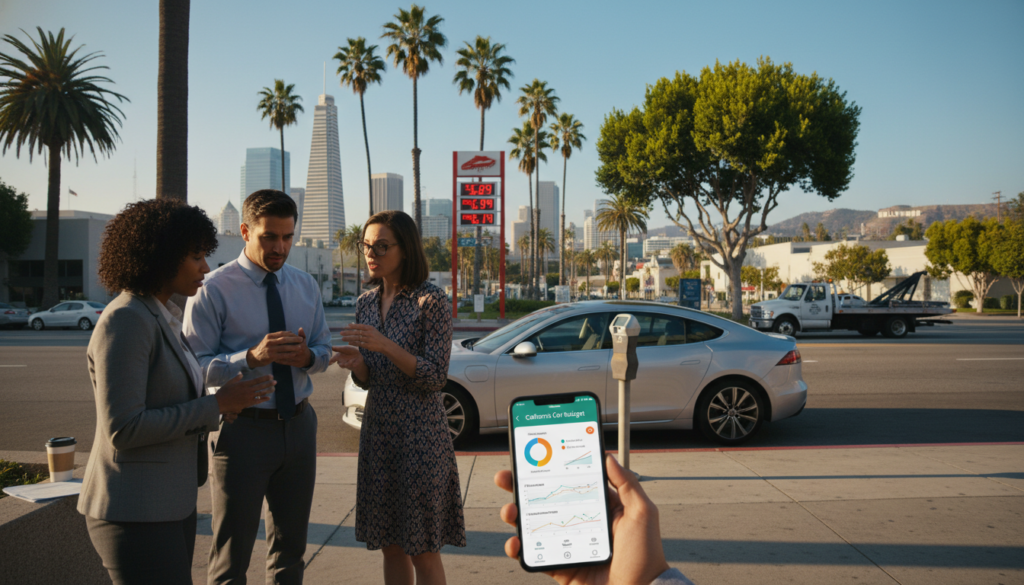
« The cost of owning a car in California is not just about the car itself, but about the lifestyle and financial commitments that come with it, » says an automotive financial expert. This perspective underscores the importance of considering all aspects of car ownership when calculating the true cost.
Some of the key factors that contribute to the true cost of car ownership in California include:
- Insurance premiums, which can be influenced by factors such as driving history, vehicle type, and location.
- Fuel expenses, which are affected by California’s high gas prices and the fuel efficiency of the vehicle.
- Maintenance and repair costs, including routine services and unexpected repairs.
- Registration fees, which include annual vehicle license fees and other charges.
By understanding these components, car owners can better manage their car ownership costs and make more informed decisions about their vehicle choices.
California Vehicle Registration and Licensing Fees
California’s vehicle registration process involves several fees that can significantly impact the overall cost of car ownership. These fees are not just limited to the initial registration but are recurring and can vary based on several factors including the type of vehicle, its weight, and its emission characteristics.
Annual Vehicle License Fee (VLF) Breakdown
The Annual Vehicle License Fee (VLF) is a crucial component of the overall cost of owning a vehicle in California. It is calculated based on the vehicle’s market value. The VLF rate is generally 0.65% of the vehicle’s value for most vehicles, though there are exceptions for commercial vehicles and those with alternative fuel systems.
For example, if a vehicle is valued at $20,000, the VLF would be $130 per year. This fee is in addition to the registration fee and other charges.
Weight Fees for Trucks and Commercial Vehicles
Weight fees are applicable to trucks and commercial vehicles, and these fees are based on the vehicle’s weight. The heavier the vehicle, the higher the weight fee. This fee structure is designed to account for the additional wear and tear that heavier vehicles cause on California’s roads.
| Vehicle Weight (lbs) | Weight Fee |
|---|---|
| 0 – 6,000 | $25 |
| 6,001 – 8,000 | $50 |
| 8,001 – 10,000 | $75 |
Smog Abatement and Clean Air Fees
California is known for its stringent emission standards, and part of the vehicle registration process involves smog abatement and clean air fees. These fees help fund programs aimed at reducing air pollution. Not all vehicles are subject to these fees; exemptions apply to certain older vehicles and those that are exempt from smog checks.
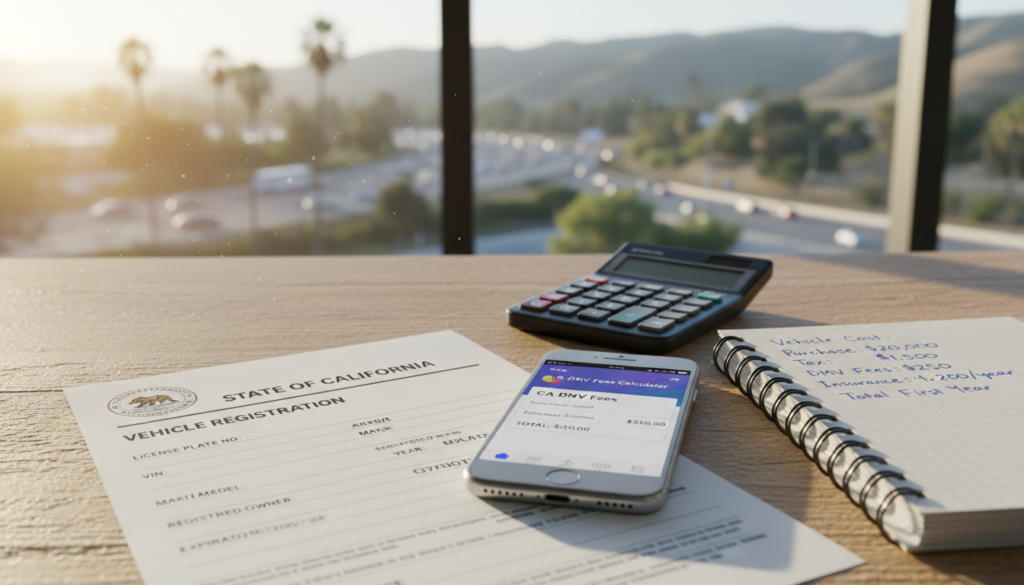
The smog abatement fee is typically around $25, but it can vary. These fees contribute to the state’s efforts to improve air quality and reduce the environmental impact of vehicle emissions.
Understanding these fees is essential for car owners in California to budget accurately for the costs associated with vehicle ownership. By being aware of the various components that make up the total registration cost, vehicle owners can better plan their expenses.
Navigating California Auto Insurance Premiums
Navigating the complex world of California auto insurance premiums can be daunting, but understanding the factors that influence your rates is the first step to saving money. California drivers face a unique set of circumstances that impact their insurance costs, from densely populated urban areas to the state’s propensity for natural disasters.
Factors Influencing High Insurance Rates in the Golden State
Several factors contribute to the high auto insurance premiums in California. These include:
- Population Density: Urban areas like Los Angeles and San Francisco have higher premiums due to increased traffic congestion and a higher likelihood of accidents.
- Natural Disasters: California’s susceptibility to wildfires, earthquakes, and floods can lead to increased insurance claims, which in turn drive up premiums.
- State Regulations: California has strict insurance regulations that, while protective of consumers, can increase costs for insurance providers and, by extension, policyholders.
- Driver Behavior: The rate of uninsured drivers, along with instances of insurance fraud, can also impact premiums for insured drivers.
Minimum Liability Requirements vs. Recommended Coverage
California law mandates minimum liability insurance coverage for all drivers. The minimum requirements are:
| Coverage Type | Minimum Limit |
|---|---|
| Bodily Injury Liability per Person | $15,000 |
| Bodily Injury Liability per Accident | $30,000 |
| Property Damage Liability | $5,000 |
While these are the minimums, many experts recommend higher coverage limits to protect against the potentially high costs of accidents. Consider increasing your coverage to at least $100,000/$300,000 for bodily injury and $50,000 for property damage.
Strategies for Reducing Insurance Costs
There are several strategies drivers can employ to reduce their auto insurance costs in California:
- Compare Insurance Providers: Shopping around and comparing quotes from different insurers can help you find the best rates.
- Maintain a Clean Driving Record: Avoiding accidents and traffic violations can significantly lower your premiums over time.
- Take Advantage of Discounts: Many insurers offer discounts for things like good grades, military service, or bundling policies.
- Consider Usage-Based Insurance: If you’re a safe driver, usage-based insurance programs can offer significant savings.
By understanding the factors that influence California auto insurance premiums and taking proactive steps to manage your insurance costs, you can save money without sacrificing necessary coverage.
Fuel Expenses and California Gas Price Trends
Fuel expenses are a critical component of the total cost of car ownership in California, influenced by various factors including state excise taxes and regional price variations.
State Excise Taxes Impact
California imposes some of the highest fuel taxes in the country, significantly affecting pump prices. The state excise tax on gasoline is a major contributor to the overall cost, making it essential for drivers to understand its impact.
California Gasoline Taxes Breakdown:
| Tax Component | Rate (cents per gallon) |
|---|---|
| State Excise Tax | 51.1 cents |
| Federal Excise Tax | 18.4 cents |
| Sales Tax | Varies by county |
Regional Variations
Gas prices in California can vary significantly across different regions due to factors like local demand, transportation costs, and refining capacity.
Regional Gas Price Differences:
- Los Angeles: Typically among the highest due to high demand and limited refining capacity.
- San Francisco Bay Area: Prices can be higher due to stricter environmental regulations and higher demand.
- Rural Areas: Generally lower prices compared to urban centers, but can be affected by transportation costs.
Fuel Efficiency Tips
To mitigate the impact of high gas prices, California drivers can adopt several fuel efficiency strategies.
Simple Fuel-Saving Tips:
- Regular vehicle maintenance to ensure optimal engine performance.
- Proper tire inflation to reduce rolling resistance.
- Avoiding aggressive driving habits like speeding and rapid acceleration.
- Removing extra weight from the vehicle to improve fuel economy.
By understanding the factors that influence fuel expenses and adopting fuel-efficient practices, California drivers can better manage their costs and make more informed decisions about their vehicle ownership.
Maintenance and Repair Costs in the California Market
Understanding the maintenance and repair costs in California is essential for car owners to budget effectively. The Golden State’s high cost of living and stringent environmental regulations contribute to unique expenses associated with vehicle ownership.
« The cost of car maintenance can vary significantly depending on where you live in California, » says a veteran mechanic from Los Angeles. This variability is largely due to differences in labor rates across major cities.
Average Labor Rates in Major Cities
Labor rates for car repairs in California can differ substantially from one city to another. For instance, cities like San Francisco and Los Angeles tend to have higher labor rates compared to smaller towns or rural areas.
- Los Angeles: $100-$150 per hour
- San Francisco: $120-$180 per hour
- San Diego: $90-$140 per hour
These rates are influenced by factors such as the cost of living, shop overhead, and technician expertise.
Mandatory Biennial Smog Check Requirements
California is known for its strict smog regulations, and all vehicles are required to undergo a smog check every two years. This check ensures that vehicles meet the state’s emissions standards.
Key aspects of the smog check include:
- Emissions testing
- Visual inspection of emissions control components
- Functional check of the vehicle’s onboard diagnostics system
Failure to comply with smog check requirements can result in fines and registration penalties.
Preventative Maintenance Schedules for Longevity
Regular maintenance is crucial for extending the life of your vehicle and preventing costly repairs. A well-maintained car not only runs more efficiently but also retains its value better.
A typical preventative maintenance schedule includes:
- Regular oil changes
- Tire rotations and balancing
- Brake pad replacements
- Fluid checks and replacements
By staying on top of these maintenance tasks, California car owners can avoid unexpected repair bills and ensure their vehicles remain in good condition.
As a car owner in California, being aware of these maintenance and repair costs can help you plan your budget more effectively and make informed decisions about your vehicle’s care.
Depreciation and Financing Considerations
The financial implications of owning a car in California extend beyond fuel and insurance, with depreciation and financing being key factors. Understanding these elements is crucial for making informed decisions about vehicle ownership.
California Resale Values vs. National Averages
Resale values in California can differ significantly from national averages due to factors like high demand for certain vehicle types and the state’s stringent emission standards. For instance, electric vehicles (EVs) tend to retain their value better in California compared to other states.
- California’s preference for eco-friendly vehicles boosts the resale value of EVs and hybrids.
- Luxury vehicles also maintain higher resale values due to strong demand in affluent areas.
- Certain models with high mileage or those not compliant with California’s emission standards may depreciate faster.
Interest Rate Trends for Auto Loans in 2026
Interest rates for auto loans in 2026 are expected to fluctuate based on economic conditions. Currently, rates are competitive, but potential buyers should be prepared for possible changes.
Key considerations include:
- Monitoring economic indicators to predict rate changes.
- Locking in rates when they are low.
- Considering shorter loan terms to minimize interest paid over the life of the loan.
Leasing Versus Buying in a High-Cost Environment
The decision to lease or buy a vehicle in California depends on several factors, including budget, driving habits, and personal preferences.
Pros of Leasing:
- Lower monthly payments.
- Access to newer models with advanced features.
- Minimal upfront costs.
Cons of Leasing:
- Mileage limitations.
- Lack of equity in the vehicle.
- Potential for additional fees.
Ultimately, the choice between leasing and buying should be based on individual circumstances and financial goals.
Parking and Toll Road Expenses
Owning a car in California means more than just fuel and insurance; it also involves navigating parking and toll costs. For many drivers, these expenses can be a significant addition to their monthly budget.
Urban Parking Costs in Los Angeles and San Francisco
Parking in California’s major cities can be both challenging and expensive. In cities like Los Angeles and San Francisco, the cost of parking varies significantly depending on the location.
- In downtown Los Angeles, parking rates can range from $5 to over $30 per hour.
- San Francisco’s parking fees are similarly steep, with some areas charging up to $40 per hour.
- Monthly parking passes can offer some relief, with prices starting at around $100 for limited parking options.
To mitigate these costs, many commuters explore alternative parking options, such as parking lots further from city centers or using park-and-ride facilities.
Navigating California Toll Bridges and Express Lanes
California is home to numerous toll bridges and express lanes, which can be a convenient but costly way to travel. The state’s toll roads are managed by various authorities, each with its own pricing structure.
Key Toll Roads and Bridges:
- The San Francisco-Oakland Bay Bridge has a toll ranging from $6 to $8, depending on the time of day and payment method.
- Express lanes on highways like I-405 and I-10 offer faster travel times for a fee, which can vary based on traffic conditions.
To save on tolls, drivers can consider using a FasTrak account, which offers discounted rates for frequent travelers.
Budgeting for Occasional Citations and Fees
In addition to planned expenses like parking and tolls, drivers should also budget for occasional citations and fees. These can arise from parking violations, toll evasion, or other infractions.
To minimize the risk of citations, drivers should familiarize themselves with parking regulations and toll road rules. Using parking apps or following toll road guidelines can help avoid unnecessary fines.
Tips for Avoiding Citations:
- Always read parking signs carefully to avoid fines.
- Use designated toll lanes and pay tolls promptly to avoid evasion fees.
- Consider setting up automatic payments for tolls and parking where possible.
By understanding and planning for these expenses, California drivers can better manage their overall cost of car ownership.
The Financial Reality of Electric Vehicle Ownership
The financial aspects of owning an electric vehicle in California extend beyond the purchase price, encompassing various costs and incentives. As the state continues to promote the adoption of EVs, understanding these financial aspects is crucial for potential and current owners.
Home Charging Infrastructure Costs
Home charging is a significant aspect of EV ownership. The cost of installing a home charging station can vary widely depending on the type of charger and the electrical infrastructure of the home.
On average, the cost of a Level 2 charger installation can range from $500 to $2,000. This cost includes the charger unit itself, labor for installation, and any necessary upgrades to the home’s electrical panel.
For many homeowners, the initial outlay for a home charging station is offset by the convenience and long-term savings on fuel costs. Additionally, some utility companies and government programs offer rebates and incentives to help offset the upfront costs.
Public Charging Network Pricing Models
Public charging networks provide essential support for EV owners, especially for those who need to charge their vehicles away from home. The pricing models for public charging can vary significantly.
Some networks charge by the kilowatt-hour (kWh), while others may charge by the minute or a flat fee per session. Understanding these pricing models is crucial for managing the overall cost of EV ownership.
For example, some charging networks offer subscription plans that can reduce the cost per kWh for frequent users. Others may provide free charging for certain periods or as part of a promotional offer.
Tax Incentives and Rebates for California Residents
California offers several incentives to encourage the adoption of electric vehicles, including tax incentives and rebates.
The state provides a rebate of up to $5,000 for the purchase or lease of a new eligible EV through the Clean Vehicle Rebate Project (CVRP). Additionally, some utility companies offer their own rebates for EV owners.
Furthermore, EV owners in California may be eligible for certain tax credits, although these are subject to income limits and other eligibility criteria. It’s essential for potential buyers to research and understand the available incentives to maximize their savings.
Hidden Costs of Driving in California
Beyond the obvious expenses of fuel and insurance, driving in California comes with several hidden costs that can significantly impact your budget. While many are aware of the major costs associated with car ownership, there are several lesser-known expenses that can add up quickly.
Tire Wear Due to Road Conditions
California’s roads can be particularly harsh on vehicles, with potholes, construction zones, and weather conditions contributing to increased tire wear. This can lead to more frequent tire replacements, which can be costly.
- Average Cost: $500 to $1000 per tire replacement (depending on the type and quality of the tire)
- Frequency: Tires may need to be replaced every 2 to 5 years, depending on driving habits and road conditions
To mitigate this cost, drivers can consider regular tire rotations, proper inflation, and avoiding extreme temperatures.
Cleaning and Detailing Expenses
California’s climate varies from coastal to desert regions, each presenting unique challenges for vehicle maintenance. The salty air near the coast can cause rust, while the intense sun in other areas can damage interiors and exteriors.
Regular cleaning and detailing can help protect your vehicle, but these services come at a cost.
- Average Cost: $100 to $300 per detailing session
- Frequency: Recommended every 2 to 6 months, depending on exposure to harsh conditions
Investing in a good quality car cover and regularly washing your vehicle can help reduce the need for frequent detailing.
Emergency Roadside Assistance Memberships
With the risk of accidents, breakdowns, or getting stranded due to extreme weather or traffic conditions, having emergency roadside assistance can be a lifesaver. Membership programs offer services like towing, fuel delivery, and lockout service.
- Average Cost: $50 to $100 per year for basic membership plans
- Benefits: Peace of mind, 24/7 assistance, and potentially significant savings on emergency services
When choosing a roadside assistance program, consider the level of coverage, response times, and any additional services offered, such as trip interruption coverage.
Conclusion
Owning a car in California comes with a multitude of expenses that extend far beyond the initial purchase price. Understanding the total cost of car ownership is crucial for budgeting and making informed decisions. From California car ownership costs, including vehicle registration and licensing fees, to auto insurance premiums, fuel expenses, and maintenance costs, every aspect contributes to the overall financial burden.
The total cost of car ownership in California can be substantial, with factors such as smog abatement fees, weight fees for trucks, and high insurance rates adding to the expense. However, by grasping these costs and implementing strategies to reduce them, such as opting for fuel-efficient vehicles or exploring public charging network pricing models for electric vehicles, drivers can mitigate some of the financial strain.
To navigate the complex landscape of car ownership in California effectively, it’s essential to consider all the associated costs and plan accordingly. By doing so, individuals can make more informed decisions about their vehicle choices and better manage their expenses, ultimately making car ownership more affordable in the Golden State.