
Driving through the Sunshine State offers freedom, but price tags often surprise residents. Many motorists feel overwhelmed by monthly bills associated with their daily commute. Staying informed is the first step toward financial relief.
Understanding the total cost of owning a car in Florida requires looking beyond just the sticker price and managing yo looking beyond just the sticker price. High insurance premiums and rising fuel prices mean your monthly budget needs one very clear plan.
This guide simplifies vehicle ownership expenses to help you avoid common hidden fees. Our goal is to provide practical steps so you can drive with confidence and peace.
Knowing these local ownership totals helps you save money for what matters most. Whether you live near Miami or Orlando, these simple strategies will protect your wallet from unexpected fees.
Key Takeaways
- Monthly insurance and fuel breakdown.
- Hidden registration and title fees.
- Local climate impact on maintenance.
- Sales tax and annual plate renewals.
- Depreciation rates for local drivers.
- Practical ways to lower auto bills.
Understanding the True Cost of Owning a Car in Florida
When buying a car in Florida, the true cost goes beyond the dealership price tag. To make an informed decision, potential car owners must consider various factors that contribute to the overall expense of owning a vehicle in the state.
Initial Purchase Price and Sales Tax Considerations
The initial purchase price of a car is just the beginning. In Florida, sales tax plays a significant role in the upfront cost. The state sales tax rate is 6%, but it can be higher in certain counties due to additional local taxes. For example, if you buy a car for $30,000, the state sales tax alone would be $1,800. It’s essential to factor this into your budget to avoid surprises.
- The state sales tax rate is 6%.
- Local taxes can add to the state sales tax rate.
- Some counties have a higher total sales tax rate.
For more detailed information on car ownership costs, you can visit this resource.
The Impact of Florida’s Climate on Vehicle Depreciation
Florida’s climate is known for its high temperatures and humidity, which can significantly impact vehicle depreciation. The sunny weather, while pleasant, can cause interior fading and exterior paint damage over time. Moreover, the salty air near coastal areas can lead to rust and corrosion on metal parts.
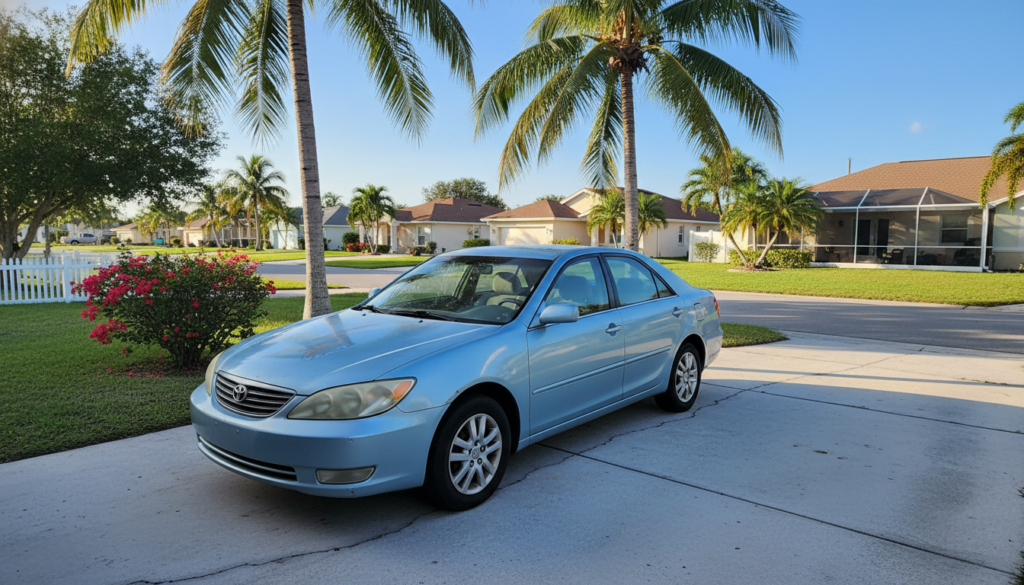
To mitigate these effects, car owners should consider regular maintenance, such as:
- Regular waxing to protect the paint.
- Using sunshades to reduce interior damage.
- Rusting protection treatments for metal parts.
« The harsh Florida climate demands extra care for your vehicle to maintain its value over time. »
By understanding these factors, Florida car owners can better prepare for the true cost of owning a car, making their ownership experience more enjoyable and less financially stressful.
Florida Auto Insurance Premiums and Coverage Requirements
The Sunshine State’s unique insurance regulations and high premiums make it essential for car owners to grasp the intricacies of Florida auto insurance. Florida has specific auto insurance requirements that drivers must adhere to, including minimum liability coverage and Personal Injury Protection (PIP).
Minimum Liability and Personal Injury Protection (PIP)
Florida law mandates that drivers carry a minimum of $10,000 in Personal Injury Protection (PIP) and $10,000 in Property Damage Liability (PDL) coverage. PIP coverage pays for medical expenses regardless of fault, while PDL covers damages to other people’s property.
Factors Influencing High Insurance Rates in the Sunshine State
Several factors contribute to the high auto insurance rates in Florida. One significant factor is the state’s high rate of uninsured drivers.
Impact of Uninsured Motorist Statistics
Florida has one of the highest rates of uninsured motorists in the country, with nearly 26.7% of drivers operating without insurance. This increases the risk for insured drivers, potentially leading to higher premiums.
Geographic Variations in Premiums Across Florida Counties
Insurance premiums can vary significantly across different counties in Florida. Urban areas like Miami-Dade and Broward tend to have higher premiums due to increased traffic congestion and higher crime rates.

To mitigate these costs, drivers can shop around for insurance quotes, consider higher deductibles, and take advantage of available discounts.
Registration, Title, and License Plate Fees
Understanding the costs associated with registering a vehicle in Florida is crucial for budgeting and financial planning. When you register your vehicle, you’re not just complying with state laws; you’re also contributing to the state’s infrastructure and services.
Florida’s vehicle registration process involves various fees, including initial registration fees for new residents, annual renewal costs, and fees for specialty or personalized license plates. Let’s break down these costs to help you better understand what to expect.
Initial Registration Fees for New Residents
New residents of Florida are required to register their vehicles within a specified timeframe. The initial registration fee includes several components:
- Title fee: This is a one-time fee associated with transferring the vehicle’s title to your name.
- Registration fee: This is an annual fee that must be paid to register your vehicle in Florida.
- License plate fee: This fee covers the cost of issuing a new license plate.
For new residents, it’s essential to check the monthly car expenses to understand how these initial fees fit into your overall budget.
Annual Renewal Costs and Surcharge Structures
After the initial registration, you’ll need to renew your vehicle’s registration annually. The renewal process involves:
- Registration renewal fee: This is typically the same as the initial registration fee.
- Surcharge fees: Florida imposes surcharges on certain types of vehicles, such as those with specific types of license plates.
It’s crucial to stay on top of these renewal costs to avoid late fees and penalties.
Specialty Plate Fees and Personalized Tag Options
Florida offers a range of specialty license plates that support various causes and organizations. While these plates can be a great way to show your support, they often come with additional fees:
- Specialty plate fees: These can range from $15 to $100 or more, depending on the plate.
- Personalized tag fees: If you want a customized license plate with your name or a special message, expect to pay an additional fee.
When choosing a specialty or personalized plate, consider the additional cost and whether it fits within your budget.
Fuel Costs and Energy Consumption Trends
Fuel costs represent a significant portion of the overall expense of owning a vehicle in Florida. Understanding these costs is crucial for drivers to make informed decisions about their vehicle choices and fueling options.
Average Gas Prices in Florida Markets
Florida’s gas prices can fluctuate based on global market trends, state taxes, and regional supply and demand. As of recent data, the average price per gallon in Florida is competitive with the national average. However, prices can vary significantly across different regions within the state.
For instance, urban areas like Miami and Tampa may have slightly higher prices compared to rural areas due to differences in distribution costs and local taxes. It’s essential for drivers to be aware of these variations to optimize their fuel expenses.
| Region | Average Gas Price (per gallon) |
|---|---|
| Miami | $3.05 |
| Tampa | $2.95 |
| Rural Areas | $2.85 |
Electric Vehicle Charging Infrastructure and Electricity Costs
The adoption of electric vehicles (EVs) is on the rise in Florida, driven by environmental concerns and the potential for lower operating costs. One of the critical factors influencing the cost-effectiveness of EVs is the charging infrastructure and associated electricity costs.
Florida has been expanding its EV charging network, with many public charging stations available across the state. The cost of charging an EV can be significantly lower than fueling a gasoline-powered vehicle, depending on the electricity rates and the efficiency of the vehicle.
« As the EV market continues to grow, Florida’s charging infrastructure is expected to expand, making electric vehicles an increasingly viable option for drivers. »
To give drivers a better understanding, here’s a comparison of the average cost of charging an EV versus fueling a gasoline-powered car:
| Vehicle Type | Average Cost per Mile |
|---|---|
| Electric Vehicle | $0.04 |
| Gasoline-Powered Vehicle | $0.12 |
Fuel Efficiency Expectations for Florida Commuting Patterns
Florida’s commuting patterns vary widely, from the heavy traffic in metropolitan areas like Jacksonville and Miami to the more relaxed driving conditions in rural parts of the state. Understanding these patterns is crucial for estimating fuel efficiency.
Vehicles with better fuel efficiency can significantly reduce fuel costs, especially for drivers with long commutes. The table below illustrates the potential savings based on different fuel efficiencies:
| Fuel Efficiency (mpg) | Annual Fuel Cost (15,000 miles) |
|---|---|
| 25 mpg | $1,800 |
| 30 mpg | $1,500 |
| 35 mpg | $1,286 |
By choosing a vehicle with appropriate fuel efficiency for their commuting needs, Florida drivers can make a significant impact on their overall fuel costs.
Maintenance and Repair Expenses in a Humid Climate
Florida’s humid climate presents unique challenges for vehicle owners, affecting maintenance and repair expenses. The combination of high temperatures, salt air, and humidity can significantly impact a vehicle’s longevity and performance.
Common Wear and Tear Issues Caused by Salt Air and Heat
The salt air in coastal areas can lead to rust and corrosion on metal parts, while the heat can cause wear and tear on various components. Regular inspections are crucial to identify potential issues before they become major problems. Some common issues include:
- Rust on body panels and undercarriage
- Deterioration of rubber and plastic components
- Overheating engines due to high temperatures
Routine Maintenance Schedules for Florida Drivers
To mitigate the effects of Florida’s climate, drivers should adhere to a rigorous maintenance schedule. This includes:
- Regular oil changes to prevent engine degradation
- Frequent checks on tire pressure and condition
- Inspection of belts and hoses for signs of wear
Average Labor Rates at Dealerships vs Independent Shops
When it comes to repairs, vehicle owners have the option of using either dealership services or independent repair shops. Labor rates can vary significantly between these two options. On average, dealerships tend to charge higher labor rates compared to independent shops. However, dealerships may offer specialized knowledge and warranty-backed repairs.
| Service Provider | Average Labor Rate ($) |
|---|---|
| Dealerships | 120-150 |
| Independent Shops | 80-120 |
By understanding the common issues caused by Florida’s climate and being aware of the options available for maintenance and repairs, vehicle owners can better manage their expenses.
Hidden Fees and Unexpected Ownership Costs
Beyond the sticker price, Florida car owners encounter various hidden costs that can impact their budget. These expenses, while not immediately apparent, can significantly affect the overall cost of owning a vehicle in the state.
Toll Road Expenses and SunPass Management
Florida’s extensive network of toll roads can be a significant expense for drivers. To manage these costs effectively, many opt for a SunPass, which offers convenience and potential savings through reduced toll rates. However, it’s crucial to monitor SunPass accounts closely to avoid unexpected fees.
Tips for managing SunPass expenses:
- Regularly check your account balance to avoid low-balance fees.
- Consider the cost-benefit analysis of using toll roads versus alternative routes.
- Take advantage of SunPass discounts for frequent travelers.
Parking Fees in Major Metropolitan Areas
Parking in Florida’s major cities like Miami, Tampa, and Orlando can be costly. Drivers should be aware of the various parking options and their associated fees to minimize expenses.
Strategies for reducing parking costs:
- Research parking garages and lots to find the most affordable options.
- Consider using parking apps that offer discounts or rewards.
- For frequent city visitors, monthly parking passes might be more economical.
Emissions Testing and Safety Inspection Realities
Florida requires vehicle emissions testing and safety inspections in certain counties. Understanding these requirements and their associated costs can help car owners budget accordingly.
Key points to consider:
- Not all counties in Florida require emissions testing; check if your county is included.
- Regular maintenance can help pass emissions tests and avoid additional costs.
- Safety inspections are crucial for ensuring vehicle safety and compliance with state regulations.
By being aware of these hidden fees and unexpected costs, Florida car owners can better manage their expenses and make more informed decisions about their vehicle ownership.
Financing and Loan Interest Rates for Florida Buyers
Understanding the intricacies of auto financing is essential for Florida buyers looking to make informed decisions. Financing a vehicle is a significant step for many, involving various factors that can impact the total cost of ownership.
Current Interest Rate Environment for Auto Loans
The current interest rate environment plays a crucial role in determining the cost of financing a vehicle. As of the latest data, auto loan rates in Florida have been influenced by national economic trends and Federal Reserve policies. Buyers can expect to find rates varying based on the loan term, vehicle type, and their creditworthiness.
For instance, a buyer with an excellent credit score might secure a lower interest rate compared to someone with a lower credit score. It’s essential for buyers to shop around and compare rates from different lenders to find the best deal.
The Role of Credit Scores in Florida Financing
Credit scores significantly impact the financing terms available to Florida buyers. Lenders use credit scores to assess the risk of lending to an individual. A higher credit score can lead to more favorable loan terms, including lower interest rates and lower fees.
Here’s a breakdown of how credit scores can affect auto loan terms:
| Credit Score Range | Average Interest Rate | Loan Terms |
|---|---|---|
| 750-850 | 4.5% | Favorable |
| 700-749 | 5.5% | Good |
| 650-699 | 7.0% | Fair |
| Below 650 | 10.0% | Less Favorable |
Dealer Fees and Documentation Charges to Watch For
In addition to interest rates, Florida buyers should be aware of dealer fees and documentation charges that can add to the overall cost of the vehicle. These fees can vary significantly between dealerships, so it’s crucial to review the contract carefully.
Some common fees to watch out for include:
- Documentation fees
- Title and registration fees
- Dealer preparation fees
By understanding these costs upfront, buyers can better negotiate the total price of their vehicle and avoid surprises at the end of the purchase process.
Budgeting Strategies for Florida Vehicle Owners
Florida drivers can take control of their vehicle expenses with effective budgeting strategies. By understanding and planning for the various costs associated with car ownership, individuals can make informed decisions that help manage their financial outlay.
Effective budgeting for car ownership involves more than just considering the initial purchase price. It requires a comprehensive approach that includes ongoing expenses such as insurance, fuel, maintenance, and registration fees.
Creating a Monthly Ownership Budget
To create a realistic monthly budget, Florida car owners should start by tracking their current expenses. This includes fixed costs like loan or lease payments, insurance premiums, and registration fees, as well as variable costs such as fuel, maintenance, and repairs.
- Fixed costs: loan/lease payments, insurance, registration
- Variable costs: fuel, maintenance, repairs
By categorizing these expenses, owners can identify areas where they might be able to cut back or optimize their spending. For example, shopping around for insurance quotes or maintaining their vehicle regularly to prevent costly repairs.
When to Consider Leasing Versus Buying
Deciding whether to lease or buy a vehicle depends on several factors, including budget, driving habits, and personal preferences. Leasing can offer lower monthly payments and the opportunity to drive a new car every few years, but it comes with mileage limitations and wear-and-tear fees.
Key considerations for leasing vs. buying:
- Monthly payments and overall costs
- Mileage limits and potential penalties
- Customization and vehicle ownership
Long-term Savings Through Preventive Maintenance
Regular maintenance is crucial for extending the life of a vehicle and preventing costly repairs. Simple actions like regular oil changes, tire rotations, and brake pad replacements can significantly reduce the risk of major mechanical failures.
Preventive maintenance tips:
- Regular oil changes
- Tire rotations and balancing
- Brake pad inspections and replacements
By adopting these budgeting strategies, Florida vehicle owners can better manage their car ownership costs, avoid financial surprises, and ensure their vehicle remains in good condition for years to come.
Conclusion
Owning a car in Florida involves a multifaceted array of expenses, from insurance premiums and registration fees to fuel costs and maintenance. By grasping the full scope of these costs, Florida drivers can make informed decisions about their vehicle ownership.
Effective budgeting is key to managing Florida car ownership expenses. Creating a comprehensive monthly budget that accounts for all associated costs can help drivers avoid financial surprises. Strategies such as regular maintenance, smart financing options, and exploring cost-saving opportunities like electric vehicles or alternative fuel sources can also mitigate the overall cost of owning a car in Florida.
By staying informed and proactive, Florida car owners can navigate the complexities of vehicle ownership with confidence, ensuring that their transportation choices align with their financial goals and lifestyle needs.