
Navigating financial roads throughout the Empire State requires smart planning. Managing vehicle maintenance totals feels difficult when prices rise suddenly. Using honest guidance helps you stay ahead while building lasting financial confidence.
Understanding the cost of owning a car in New York involves looking at hidden fees. You should account for gas, parking, and tolls, which vary significantly between boroughs and can impact your daily budget.
Choosing between full coverage vs liability insurance can significantly impact your monthly car expenses, especially in high-cost areas like New York. Our expertise empowers you to make wise choices regarding protection policies, helping you save money without sacrificing essential coverage.
Key Takeaways
- Monthly insurance premiums rank among the highest throughout the country.
- Parking fees often exceed standard maintenance bills.
- Higher deductibles reduce annual premiums by fifteen percent.
- Specific vehicle types impact registration fees and tax totals.
- Routine upkeep prevents expensive emergency repairs later.
- Proper coverage selection provides long-term financial stability.
The Real Cost of Owning a Car in New York
Understanding the real cost of car ownership in New York is crucial for making informed decisions. Owning a car in the state, particularly in New York City, involves a multitude of expenses that can be surprising if not properly anticipated.
The costs associated with car ownership can be broadly categorized into several key areas. These includecar maintenance costs,fuel costs, insurance premiums, parking and storage fees, tolls, and registration costs. Each of these categories contributes significantly to the overall expense of owning and maintaining a vehicle.
Let’s examine some of these costs more closely:
- Car Maintenance Costs: Regular maintenance is essential to keep your vehicle in good condition. This includes oil changes, tire rotations, and brake replacements. The cost of these services can vary depending on the vehicle’s make and model.
- Fuel Costs: With fluctuating gas prices, fuel costs can be a significant expense. The average gas price in New York, combined with the average annual mileage, can result in substantial fuel expenses.
- Insurance Premiums: New York has some of the highest auto insurance rates in the country. Factors such as the driver’s history, vehicle type, and location within the state can influence these rates.
For a more detailed breakdown of the overall cost of owning a car, you can refer to resources likethis comprehensive guide.
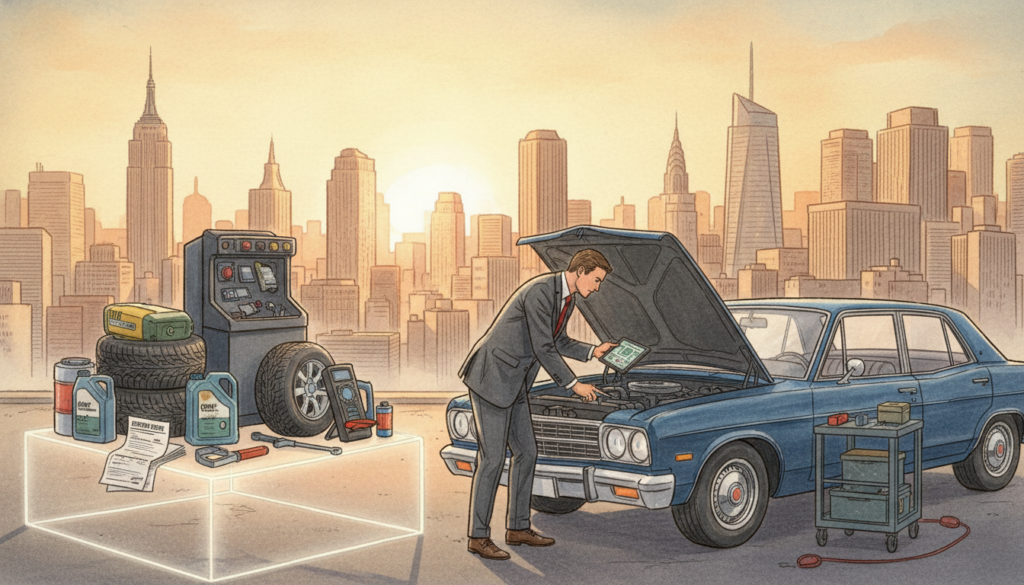
By understanding these various cost components, New York car owners can better budget for their vehicle expenses and make more informed decisions about their car ownership.
Monthly Financing and Depreciation Realities
When financing a car in New York, understanding the intricacies of monthly payments and depreciation is crucial for making an informed decision. The total cost of ownership is not just the purchase price; it’s also about the financing costs and how the vehicle’s value changes over time.
Financing a new vehicle involves several key factors, including the interest rate on your loan. The interest rate can significantly affect your monthly payments, making it essential to shop around for the best rates. According to recent data, even a 1% difference in interest rates can result in hundreds of dollars in savings or additional costs over the life of the loan.
Impact of Interest Rates on New Vehicle Loans
Interest rates on new vehicle loans can vary based on several factors, including your credit score, the loan term, and the lender. For instance, a borrower with an excellent credit score might secure a loan at a lower interest rate compared to someone with a lower credit score. As Car and Driver notes, « Even a small difference in interest rates can have a significant impact on your monthly payments. »
A quote from a financial expert highlights the importance of interest rates:
« The interest rate on your car loan can make or break your budget. It’s crucial to understand how different rates can affect your monthly payments and overall cost. »
To illustrate this, consider the following example: on a $30,000 loan over 60 months, a 4% interest rate results in a monthly payment of $552.50, while a 6% interest rate increases the monthly payment to $579.92. That’s a difference of $27.42 per month, or $1,645.20 over the life of the loan.

Depreciation Curves for Popular Models like the Toyota RAV4
Depreciation is another critical factor in the total cost of owning a car. Vehicles like the Toyota RAV4 are known for holding their value relatively well compared to other models. However, the initial depreciation hit can still be significant. As Kelley Blue Book points out, « The Toyota RAV4 typically depreciates by about 50% within the first three years of ownership. »
Understanding the depreciation curve can help you make a more informed decision about your car purchase. For example, if you’re considering buying a new Toyota RAV4, knowing that it will depreciate by about 20% in the first year alone can help you plan your finances accordingly.
Here are some key points to consider regarding depreciation:
- The initial depreciation hit is usually the largest.
- Some models, like the Toyota RAV4, retain their value better than others.
- Depreciation rates can vary based on factors like mileage and condition.
Navigating New York City Auto Insurance Premiums
The cost of auto insurance in New York City is notoriously high, influenced by a variety of factors including location and driving history. Drivers in NYC face unique challenges that contribute to elevated insurance premiums compared to other parts of the country.
Factors Influencing High Premiums in the Five Boroughs
Several factors contribute to the high cost of auto insurance in New York City. Urban density and traffic congestion play a significant role, as they increase the likelihood of accidents. Additionally, higher crime rates in certain areas can lead to increased premiums due to the higher risk of vehicle theft or vandalism.
Insurance companies also consider the driver’s history and credit score when determining premiums. A clean driving record and a good credit score can significantly lower insurance costs. Furthermore, the type of vehicle insured affects premiums, with luxury or high-performance vehicles typically costing more to insure.
Strategies for Bundling and Multi-Policy Discounts
Despite the high costs, there are strategies that NYC drivers can employ to reduce their auto insurance premiums. One effective method is bundling insurance policies. By combining auto insurance with other types of insurance, such as home or renters insurance, drivers can qualify for multi-policy discounts.
Another strategy is to shop around and compare rates from different insurance providers. This can help drivers find the most competitive rates for their specific needs. Additionally, increasing the deductible can lower premiums, although it’s essential to ensure that the deductible is manageable in case of a claim.
- Compare insurance quotes from multiple providers to find the best rates.
- Consider bundling policies for multi-policy discounts.
- Maintain a good credit score to lower premiums.
- Drive safely to avoid accidents and keep your driving record clean.
By understanding the factors that influence auto insurance premiums in New York City and employing strategies to reduce costs, drivers can make informed decisions to save money on their insurance.
The Financial Burden of NYC Parking and Storage
For New York City residents, parking is a major financial burden that requires careful consideration. The costs associated with parking in NYC can vary significantly depending on the borough and the type of parking chosen.
When it comes to parking in NYC, one of the most significant expenses is monthly garage fees. These fees can differ substantially between Manhattan and the outer boroughs.
Monthly Garage Fees in Manhattan versus Outer Boroughs
Manhattan is known for having some of the highest parking fees in the city. On average, monthly garage fees in Manhattan can range from $400 to over $600. In contrast, the outer boroughs offer more affordable options, with monthly fees ranging from $150 to $300.
- Manhattan: $400-$600 per month
- Outer Boroughs: $150-$300 per month
For example, parking in a garage in Midtown Manhattan can cost around $500 per month, while a similar garage in Brooklyn might cost around $200 per month. This significant difference can be a deciding factor for those considering where to park their vehicle.
The Hidden Cost of Street Parking Tickets and Alternate Side Regulations
Beyond monthly garage fees, street parking in NYC comes with its own set of challenges and expenses. Street parking tickets can add up quickly, especially in areas with strict parking regulations.
Alternate side parking regulations, which require drivers to move their vehicles to the opposite side of the street on certain days for street cleaning, can also lead to significant fines if not followed correctly. The average cost of a parking ticket in NYC is around $65, and failing to comply with alternate side regulations can result in multiple tickets.
- Understand the parking regulations in your area to avoid tickets.
- Consider using parking apps that alert you to alternate side parking rules.
- Budget for potential tickets and fines.
For more information on managing monthly car expenses, including parking, visit our guide on monthly car expenses.
Fueling and Maintenance in an Urban Environment
The unique demands of urban driving in NYC can affect your car’s fuel consumption and maintenance requirements. City driving is characterized by frequent stops, idling in traffic, and navigating through congested streets, all of which can impact your vehicle’s performance and longevity.
Understanding these factors is crucial for car owners to manage their expenses effectively. In this section, we will delve into the specifics of fueling and maintaining your vehicle in NYC, focusing on average gas prices, consumption patterns, and routine maintenance costs.
Average Gas Prices and Consumption Patterns for City Driving
City driving typically results in lower fuel efficiency due to the stop-and-go nature of traffic. According to the United States Environmental Protection Agency (EPA), city driving can reduce fuel efficiency by up to 20% compared to highway driving.
As of recent data, the average gas price in NYC is around $3.50 per gallon, which is slightly higher than the national average. For a vehicle that achieves 25 miles per gallon (mpg) in city driving, the cost per mile can be calculated as follows:
| Fuel Type | Price per Gallon | Fuel Economy (mpg) | Cost per Mile |
|---|---|---|---|
| Regular Gasoline | $3.50 | 25 | $0.14 |
To put this into perspective, driving 15,000 miles per year in the city would result in fuel costs of approximately $2,100 annually, assuming a fuel economy of 25 mpg.
« The cost of fuel is a significant component of the overall cost of owning a vehicle, especially in urban areas where traffic congestion is prevalent. »
Routine Maintenance Costs for Vehicles like the Honda CR-V
Routine maintenance is essential to extend the life of your vehicle and prevent costly repairs. For a popular model like the Honda CR-V, routine maintenance includes oil changes, tire rotations, and brake pad replacements.
The average cost for routine maintenance for a Honda CR-V can range from $500 to $700 per year, depending on the mileage and driving conditions. Here’s a breakdown of typical maintenance costs:
- Oil change: $75 – $150 every 5,000 to 7,500 miles
- Tire rotation: $20 – $50 every 5,000 to 8,000 miles
- Brake pad replacement: $200 – $300 every 30,000 miles
For more detailed information on regular car maintenance costs, you can visit this resource.
By understanding these costs and planning accordingly, NYC car owners can better manage their vehicle expenses and ensure their cars remain in good condition despite the challenges of urban driving.
Tolls and Congestion Pricing Impacts
The cost of driving in NYC extends beyond fuel and insurance, with tolls and congestion pricing adding up quickly. For many New Yorkers, navigating the city’s roads involves more than just the initial cost of purchasing a vehicle.
Navigating MTA Bridges and Tunnels
The MTA’s network of bridges and tunnels is a vital part of NYC’s infrastructure, but it comes with a price. Drivers using these routes need to be aware of the tolls involved. For instance, crossing the George Washington Bridge can cost up to $17.63 with an E-ZPass during peak hours. Planning your route in advance can help minimize these costs.
As noted by an MTA official, « The tolls are essential for maintaining the infrastructure, but we also understand the burden it places on frequent travelers. »
« We’re working on making the toll system more efficient and fair for all users, » said an MTA spokesperson.
Budgeting for the Manhattan Congestion Relief Zone
Congestion pricing is another factor NYC drivers must consider. As of the latest updates, drivers entering the Manhattan Congestion Relief Zone during peak hours may face additional charges. Understanding the congestion pricing schedule is crucial for budgeting.
To mitigate these costs, drivers can explore alternative routes or adjust their travel times. Utilizing public transit or carpooling can also reduce the financial impact of tolls and congestion pricing.
Registration, Taxes, and DMV Fees
Registering a vehicle in New York involves a multitude of costs that go beyond the initial purchase price. These expenses are crucial for car owners to understand as they can significantly impact the overall cost of owning a vehicle.
To break it down, let’s first examine the costs associated with vehicle registration in New York State. The registration process involves several fees, including the registration fee itself, title fee, and any additional county-specific fees.
Understanding New York State Vehicle Registration Costs
New York State’s vehicle registration costs are determined based on the type and weight of the vehicle. For instance, the registration fee for a standard passenger vehicle can range from $30 to $140, depending on the vehicle’s weight. Additionally, there is a $50 title fee for new vehicles.
- Registration Fee: $30 to $140 based on vehicle weight
- Title Fee: $50 for new vehicles
- County Fees: Varying fees depending on the county of registration
For more detailed information on the current fees, car owners can visit the New York State Department of Motor Vehicles (DMV) website or consult with a local DMV office.
Sales Tax Implications for New and Used Car Purchases
Sales tax is another significant cost factor when purchasing a vehicle in New York. The state sales tax rate is 4%, but local sales taxes can add to this, making the total sales tax rate vary by location. For example, in New York City, the combined state and local sales tax rate can be as high as 8.875%.
For new car purchases, the sales tax is calculated based on the purchase price of the vehicle. For used cars, the sales tax is calculated based on the purchase price or the vehicle’s NADA value, whichever is greater.
| Vehicle Type | Sales Tax Rate | Example Sales Tax |
|---|---|---|
| New Car | 8.875% | $2,662.50 on a $30,000 car |
| Used Car | 8.875% | $1,331.25 on a $15,000 car |
Understanding these costs is essential for budgeting the total cost of owning a vehicle in New York. By being aware of the registration fees, title fees, and sales tax implications, car owners can make more informed decisions about their vehicle purchases.
Hidden Costs That Catch New Yorkers Off Guard
The true cost of car ownership in NYC includes several hidden expenses that can catch drivers off guard. While many are aware of the obvious costs such as fuel, insurance, and parking, there are other expenditures that can significantly impact your budget.
One of the primary concerns for NYC drivers is the wear and tear on their vehicles due to the city’s harsh road conditions and driving environment. This leads to a range of maintenance issues that can be costly if not anticipated.
The Expense of Frequent Tire Replacements and Suspension Repairs
New York City’s roads can be particularly tough on tires, with potholes, curbs, and construction debris posing a constant threat. As a result, tire replacements are more frequent than in other areas. The cost of a single tire can range from $100 to $300, depending on the type and quality. For a full set, this can amount to a significant expense.
Suspension repairs are another common issue due to the city’s rough roads. The constant jolting and jarring can cause wear on suspension components, leading to costly repairs. On average, suspension repairs can cost anywhere from $500 to $1,500 or more, depending on the extent of the damage.
To mitigate these costs, it’s essential to regularly inspect your vehicle’s tires and suspension system. For more information on annual car maintenance costs, including tips on how to manage these expenses, you can visit this resource.
Costs Associated with Car Washes and Detailing in the City
The urban environment in NYC also means that cars are more prone to getting dirty and requiring frequent washing. The cost of car washes can add up, especially if you opt for regular detailing services. A basic car wash can cost between $10 to $20, while detailing services can range from $50 to $200 or more, depending on the level of service.
Regular car washes and detailing not only keep your vehicle looking its best but also help protect the paint and exterior surfaces from the harsh urban environment. For those living in NYC, it’s a worthwhile investment to maintain your car’s condition and potentially reduce long-term maintenance costs.
In conclusion, being aware of these hidden costs can help NYC drivers better budget for car ownership. By understanding the potential expenses associated with tire replacements, suspension repairs, and car maintenance, you can take proactive steps to manage these costs effectively.
Comparing Ownership Costs by Vehicle Type
New York car owners face a myriad of expenses that differ greatly between sedans, SUVs, and electric vehicles. Understanding these differences is crucial for making an informed decision that aligns with your budget and lifestyle.
The debate between sedans and SUVs often centers around their economical viability for city driving. Sedans are generally known for their fuel efficiency and lower purchase prices, making them an attractive option for city dwellers. On the other hand, SUVs offer more space and versatility, which can be beneficial for those who need to transport multiple passengers or cargo regularly.
Sedans versus SUVs: Which is More Economical for City Life?
When comparing sedans and SUVs, several factors come into play. Sedans typically have lower fuel consumption and maintenance costs. For instance, a sedan like the Toyota Camry might offer better fuel economy compared to an SUV like the Toyota RAV4. However, SUVs have their advantages, including higher driving positions and more cargo space, which can be valuable depending on your needs.
To illustrate the cost difference, consider the following:
- Fuel costs: Sedans generally consume less fuel, leading to savings on gas.
- Maintenance: Sedans often have lower maintenance costs due to simpler mechanics.
- Insurance: SUVs can be more expensive to insure due to their higher value and potential repair costs.
The Total Cost of Ownership for Electric Vehicles like the Tesla Model Y
Electric vehicles (EVs) like the Tesla Model Y are gaining popularity due to their potential long-term savings and environmental benefits. EVs typically have lower operating costs since electricity is generally cheaper than gasoline, and they require less maintenance than traditional internal combustion engine vehicles.
However, the initial purchase price of EVs can be higher, and the cost of battery replacement, although decreasing, is still a consideration. It’s essential to weigh these factors when calculating the total cost of ownership.
Some key points to consider for EVs include:
- Lower fuel costs: Charging an EV is often cheaper than fueling a gas-powered car.
- Reduced maintenance: EVs have fewer moving parts, which can lead to lower maintenance costs over time.
- Government incentives: Many governments offer incentives for purchasing EVs, which can help offset the higher upfront cost.
In conclusion, the choice between sedans, SUVs, and electric vehicles depends on your specific needs and circumstances. By carefully considering the various costs associated with each type of vehicle, you can make a more informed decision that suits your lifestyle and budget.
Strategies to Reduce Your Annual Car Expenses
Car owners in New York can significantly cut their annual expenses by implementing a few simple yet effective strategies. By understanding and adjusting various cost factors, individuals can enjoy substantial savings.
Optimizing Insurance Coverage and Deductibles
One of the most effective ways to reduce annual car expenses is by optimizing insurance coverage and deductibles. Here are some tips to achieve this:
- Review and adjust your coverage levels: Ensure you’re not over-insuring your vehicle, especially if it’s older.
- Increase your deductible: Higher deductibles can lower your premiums, but make sure you can afford the deductible amount in case of a claim.
- Bundle policies: Many insurers offer discounts when you bundle multiple policies, such as home and auto insurance.
- Shop around: Compare insurance quotes from different providers to find the best rates.
Leveraging Public Transit to Minimize Mileage and Wear
Another strategy to reduce car expenses is by leveraging public transit. By minimizing the use of your vehicle, you can lower your fuel consumption, reduce wear and tear, and potentially decrease your insurance premiums.
Here are some ways to make the most of public transit:
- Use public transit for daily commutes: If possible, use buses or trains for your daily commute to work.
- Combine errands: Try to combine your errands into fewer trips to reduce overall mileage.
- Consider alternative modes of transport: For shorter trips, consider walking or cycling.
By implementing these strategies, car owners in New York can significantly reduce their annual car expenses. It’s all about being mindful of your expenses and making informed decisions to save money.
Conclusion
Owning a car in New York involves a complex array of expenses that go beyond the initial purchase price. The total cost of ownership includes financing, insurance, fuel, maintenance, and various hidden costs such as parking, tolls, and emissions fees. By understanding these costs, drivers can make more informed decisions about their vehicle ownership.
To minimize expenses, it’s essential to optimize insurance coverage, consider fuel-efficient vehicles, and leverage public transit to reduce mileage. Additionally, being aware of New York-specific fees and urban cost considerations can help drivers save money. By implementing these strategies, car owners in New York can reduce their overall cost of owning a car.
Ultimately, being informed about the cost of owning a car in New York enables drivers to navigate the challenges of car ownership in the state effectively.